Kitchen Remodeling Guide: What to Consider, How to Budget, and Why Professional Drawings Matter

Updated: Mar 19
A Residential Architectural Designer’s Guide to Layout, Budgeting, and Planning a Kitchen That Truly Works

Kitchen Remodeling Guide: Why Planning Matters Before Construction Begins
Kitchen remodeling is often one of the most meaningful upgrades a homeowner can make. It can improve the way a home functions every day, strengthen connection between rooms, increase storage, and add long-term value. But while cabinets, countertops, and appliances tend to get most of the attention, the success of a kitchen remodel usually begins much earlier.
A well-planned kitchen remodel should evaluate layout, circulation, storage, lighting, appliance relationships, and construction realities before finish selections are finalized. The kitchen is not just one room in the house. It often influences adjacent living areas, family routines, entertaining, and the overall rhythm of how the home feels to live in.
As an Architectural Designer focused on residential design, I approach kitchen remodeling as part of the larger home. When the layout and documentation are resolved early, homeowners tend to feel more confident, builders work with greater clarity, and the finished kitchen feels intentional rather than improvised.
In this guide, we’ll walk through the key considerations involved in kitchen remodeling, including how to think through your goals, how to budget wisely, why layout matters so much, and why professional drawings can make the construction process smoother from beginning to end.
Good kitchen design begins with function before finishes.
Start With the “Why” Before You Start With the Demo
Before selecting cabinet colors or comparing countertop materials, it helps to pause and look at why the remodel matters in the first place.
What is the kitchen not doing well right now?
For some homeowners, the kitchen lacks storage. For others, the layout creates congestion, poor workflow, or too much separation from adjacent living spaces. In other homes, the kitchen simply feels dated and no longer supports the way the family actually lives.
That “why” matters because it shapes every decision that follows.
If the goal is better function, the design may prioritize storage, prep space, and improved traffic flow. If the goal is gathering and connection, the layout may focus more on seating, openness, sight lines, and how the kitchen relates to surrounding spaces.
The strongest kitchen remodels are not driven by trends alone. They are shaped by lifestyle, daily use, and long-term clarity.
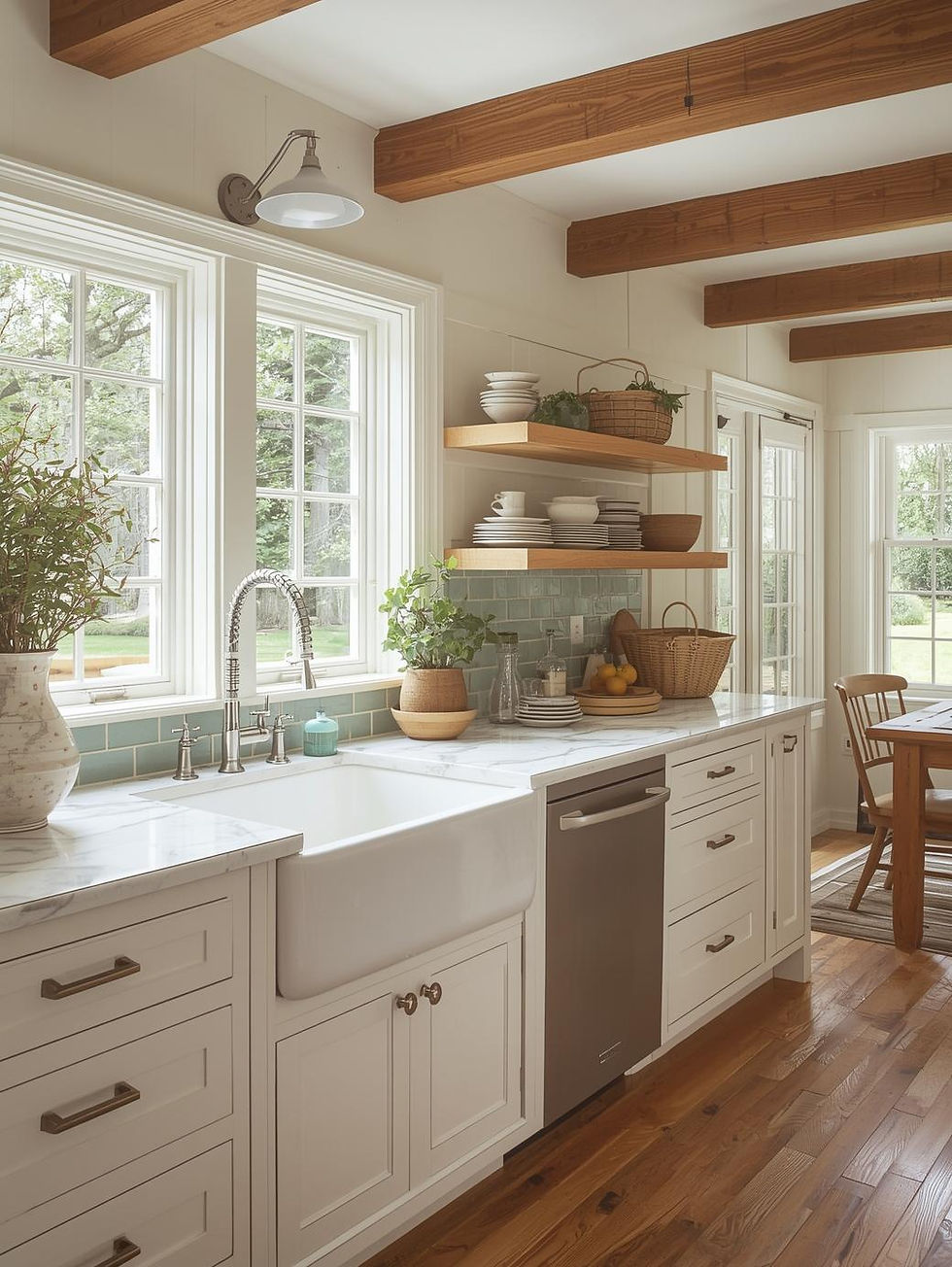
What to Consider Before Starting a Kitchen Remodel
Kitchen remodeling can look straightforward on the surface, but it involves far more than replacing cabinets and selecting finishes.
Before construction begins, I like to step back and evaluate the larger picture.
Important questions often include:
How do people move through the kitchen now?
Does traffic cut through the cooking zone?
Is the refrigerator too far from prep space?
Is the sink positioned well for daily use?
Are there storage areas that are awkward or wasted?
Does the kitchen feel dark or unevenly lit?
Do appliance sizes still fit the way the space should function?
Many kitchens appear to have enough storage until you begin evaluating how difficult that storage is to access or how poorly it supports real daily routines. A remodel creates the opportunity to strengthen those details in a meaningful way.
This is also where thoughtful home renovation design becomes valuable, because a kitchen remodel often affects more than cabinetry alone. It can influence walls, openings, circulation, and how the home works as a whole.
Layout Matters Most: Function Before Finish
If there is one area where homeowners gain the greatest return during kitchen remodeling, it is usually the layout.
A beautiful kitchen may still feel frustrating if the workflow is awkward. And even the most expensive finishes cannot correct a kitchen that feels cramped, disconnected, or poorly organized.
Good kitchen layout planning begins with function:
cooking
cleaning
serving
gathering
storage
movement through the space
In some homes, opening the kitchen to surrounding rooms improves natural light and family connection. In others, maintaining a degree of separation creates better organization and more defined use.
The goal is not to force every kitchen into the same open concept formula. The goal is to evaluate how the space should support the way you actually live.
These same principles are foundational in custom home design, where room relationships, circulation, and long-term function shape the overall experience of the house.
One of the most important benefits of thoughtful layout planning is that it helps avoid regret later. Changes made after construction begins are often one of the fastest ways to increase costs, create delays, and introduce frustration into the project.
Clear drawings protect both the design and the construction process.

Why Kitchen Remodeling Continues to Matter
Kitchen remodeling remains one of the most valuable home improvements because it delivers benefits that are both immediate and long-term.
First, it strengthens daily life.
A better kitchen layout can make cooking easier, storage more practical, and gathering more comfortable. It can improve the connection between family members and make everyday routines feel less crowded and more natural.
Second, it can strengthen long-term equity.
While exact return on investment varies depending on market conditions, quality of construction, and neighborhood context, kitchens consistently influence how buyers feel about a home. A well-designed kitchen often makes the property feel more current, more functional, and more ready for the future.
Even when resale is not the immediate goal, kitchen remodeling can still be a wise investment in the overall usefulness and long-term value of the home.
Kitchen Remodel Budgeting: What It Costs and Why It Varies
One of the most common questions homeowners ask is how much they should budget for a kitchen remodel.
The honest answer is that costs vary widely because kitchens involve so many interconnected decisions.
A kitchen remodel budget is often influenced by:
whether the layout is changing or staying similar
the size of the kitchen
cabinet quality and level of customization
countertop selections
flooring choices
appliance upgrades
plumbing updates
electrical work
lighting improvements
the extent of demolition and rebuilding required
Even relatively small changes can create larger cost implications. Moving a sink, for example, may seem simple at first, but it can affect plumbing, cabinetry, countertops, layout symmetry, and construction sequencing.
That is why planning matters so much. The clearer the design is before construction begins, the easier it becomes to estimate realistic costs and avoid unnecessary surprises.
Smart Budgeting: Where to Spend and Where to Be Strategic
A well-designed kitchen is not necessarily the most expensive kitchen. In many cases, the best projects come from spending thoughtfully rather than spending indiscriminately.
If I were guiding priorities, I would usually encourage homeowners to focus budget first on:
layout improvements
storage solutions
cabinetry quality
durable surfaces
lighting
long-term function
These are the elements that shape how the kitchen actually works day after day.
Savings can often come through carefully selected materials or by retaining certain elements that still serve the updated plan well. Not every part of a remodel has to be replaced for the finished space to feel dramatically improved.
And one of the most practical budgeting principles is simple: leave room for the unexpected. Remodels often uncover hidden conditions once walls are opened, and a little flexibility in the budget can reduce stress significantly.
Why Professional Drawings Matter in Kitchen Remodeling

This is one of the most overlooked parts of a kitchen remodel — until problems begin.
A kitchen renovation is not just a collection of selections. It is a sequence of precise decisions that need to work together: layout, dimensions, cabinet placement, appliance coordination, clearances, storage, and workflow.
That is why professional architectural drawings matter.
Drawings provide clarity before construction begins. They help homeowners understand what is being planned, allow builders and contractors to work from a shared reference point, and reduce the kind of confusion that often leads to delays and change orders.
Good drawings also allow the project to be evaluated on paper, where changes are easier, less expensive, and less disruptive.
In practical terms, professional drawings help avoid:
cabinetry that does not fit properly
islands that are oversized or undersized
appliance conflicts with doors and walkways
awkward gaps or dead areas
repeated change orders
miscommunication between homeowner and builder
When a kitchen remodel is documented well, the entire process tends to feel steadier and more predictable.
What Should Be Included in Kitchen Remodeling Drawings
A strong kitchen drawing set should help both the homeowner and the builder understand the project clearly.
At a minimum, this often includes a floor plan showing:
cabinet placement
appliance relationships
key dimensions
circulation and clearances
Interior elevations can also be extremely valuable. These views help clarify cabinetry layouts across each wall, window relationships, hood placement, shelving, symmetry, and other visual details that are difficult to understand from a floor plan alone.

In many cases, drawings also help resolve:
where lighting should land
how seating will work
how the island relates to surrounding circulation
how the kitchen connects to adjacent rooms
When these details are resolved early, construction feels far more organized and the finished kitchen is more likely to feel refined.
In short, drawings protect the design, the budget, and everyone involved in the building process.
Frequently Asked Questions About Kitchen Remodeling
How much should I budget for a kitchen remodel?
Kitchen remodel costs vary depending on the size of the space, the complexity of the layout, the level of cabinetry customization, and whether plumbing or electrical work must be relocated or upgraded.
Is it worth changing the layout during a kitchen remodel?
Sometimes yes, especially if the existing layout creates daily frustration. But layout changes should be evaluated carefully because moving walls, plumbing, or appliances can significantly affect cost.
Why do I need professional drawings for a kitchen remodel?
Professional drawings help clarify dimensions, cabinet placement, appliance relationships, and construction intent before the project begins. That reduces confusion, protects the design, and helps construction move forward more smoothly.
What usually adds the most value in a kitchen remodel?
Thoughtful layout improvements, quality cabinetry, durable surfaces, good lighting, and better storage usually create the strongest long-term value.
Can I remodel a kitchen without changing everything?
Yes. Some of the most successful kitchen remodels come from refining key aspects of the space rather than replacing every element. Strategic updates can often improve function and visual character without unnecessary cost.
Where Thoughtful Kitchen Remodels Begin

A kitchen remodel introduces dozens of decisions — layout, cabinetry, appliance placement, lighting, storage, finish selections, and budget priorities.
When those decisions are made in isolation, the project can begin to feel reactive.
When they are evaluated as part of a thoughtful design process, the finished kitchen feels more cohesive.
At Ivy Architectural LLC, I approach kitchen remodeling by first stepping back and understanding how the kitchen fits within the home as a whole. From there, layout, documentation, and material decisions can be refined in a way that supports both daily life and smoother construction.
The goal is not just to update the kitchen, but to strengthen how the home lives.
A Thought to Consider
If you are considering a kitchen remodel, it can be helpful to pause and look at how the space is currently functioning within your home.
What feels crowded?What slows daily routines down?What changes would make cooking, gathering, and movement through the space feel easier?
Often, the strongest remodels begin with asking the right questions before construction decisions are made.
If you'd ever like to talk through those possibilities, you're always welcome to start a design conversation here.
I’ve also put together a kitchen remodel checklist that may be helpful as you begin thinking through the process.
Thank you for taking the time to read this blog. I hope you found it both helpful and inspiring as you think through your own home and design possibilities.
I look forward to sharing more ideas and insights in future posts.
As always, take care and be blessed.
David Eric Brinkman
Architectural Designer
Ivy Architectural LLC


Comments